
From Overload to Relaxed Control
Getting Things DoneThe book traces how accumulated demands become manageable when they are captured, clarified, organized, reviewed, and acted upon.
increasing Bearing strength in each event
 decreasing
Bearing strength in each eventdecreasingA World Without Edges

Work Without Clear Boundaries
Mounting Demands
David Allen begins with a familiar problem: people feel they have too much to handle and too little time. Knowledge work has blurred the edges of projects, while communication and responsibilities keep expanding.
Many outcomes can always be improved, and information is abundant. Traditional calendars and daily task lists cannot by themselves contain this shifting volume.
The Need for a Method
The problem is not simply that work is plentiful. People often lack a dependable way to define what their work means and what action would move it forward.
This opening establishes the book’s central challenge: how to function with clarity and calm amid continuing demands.
Open Loops Accumulate
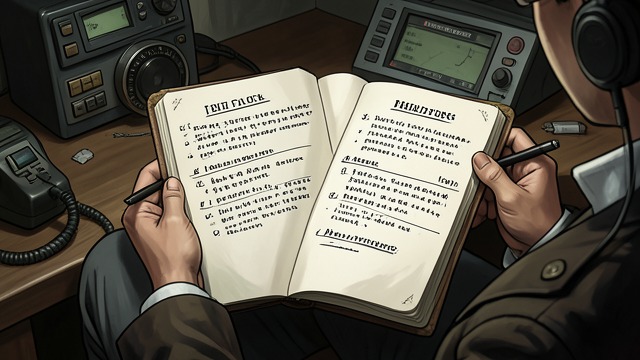
Unfinished Commitments
The Mind Keeps Score
Every unresolved commitment can continue to tug at attention, whether it is a major project or a small household task. Allen calls these unfinished matters Open Loops: things that do not belong where they are, in their present state.
A person may not consciously remember each commitment, yet still experience distraction and pressure from unresolved business.
From Worry to Definition
The book argues that thinking repeatedly about an unfinished matter does not complete it. Relief begins when the desired outcome and the next action are clarified and recorded somewhere dependable.
The issue shifts from trying harder to remember toward building a trusted way to manage commitments.
The Five-Stage System
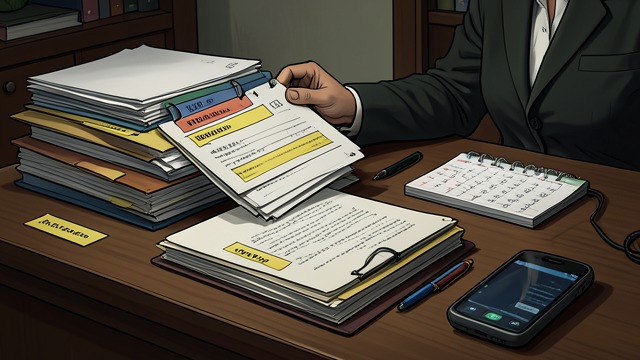
A Workflow for Commitments
Collect and Clarify
The method moves through five linked activities: collect what has attention, process what each item means, organize the results, review them, and choose what to do. Each stage depends on the others.
Collection brings material out of memory; processing turns it into decisions rather than leaving it as vague Stuff.
A Functional Whole
Organizing stores the decisions in usable categories, while review keeps those reminders current. Action then becomes a choice among defined options, not a guess about what might have been forgotten.
A weak link can undermine the whole system, so the process must operate as an integrated practice.
The Choice of Action

Managing What Can Be Done
Actions Instead of Abstractions
Allen argues that people cannot do a project as a whole; they can only take actions related to it. A project that feels overwhelming may become approachable when its immediate physical step is named.
This shifts attention from managing time or information to managing what a person does with available time, energy, and focus.
A Better Decision Point
When the next action is defined early, a small opening in the day can be used productively. Without that decision, the same project may remain stuck until urgency forces attention.
The method’s practical promise rests on making the doing visible and specific.
A Repeatable Practice
Returning to Control
A Continuing Cycle
The method is not presented as a once-and-for-all cure. New commitments keep arriving, so collection, clarification, organization, and review must recur.
The regular review restores a complete view of commitments and lets a person reconsider what remains active, what can wait, and what should be dropped.
Trust Replaces Hope
With a current system, a person can choose an action without continually scanning memory for hidden obligations. That trust supports a calmer focus on the task at hand.
The book concludes by treating relaxed control as a maintained practice rather than a permanent condition achieved by one burst of organization.
At the opening of the book
Early in the opening chapter
In the first overview of the method
After the workflow model is introduced
Near the book’s conclusion
